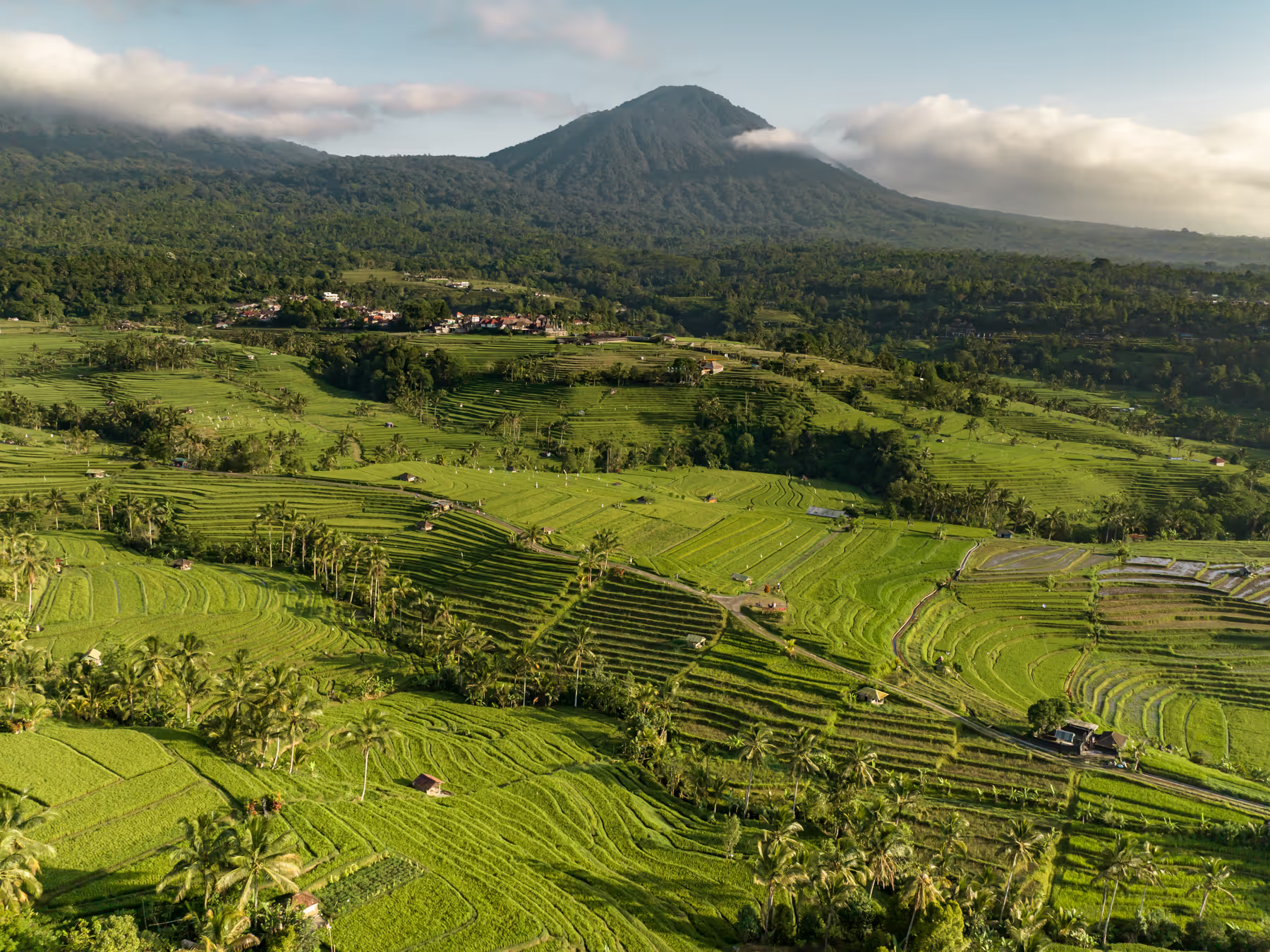
Bali keeps attracting more and more travelers, but with tourism exploding over the last few years, it’s fair to wonder: is it still worth visiting in 2026?
We honestly lost count of how many times we’ve been to Bali since our first trip back in 2018. And despite how fast some areas have changed, we still keep coming back.
Why? Because Bali can still be an incredible destination… if you know where to go, what to avoid, and most importantly, what to expect.
What to expect from Bali in 2026?
Bali isn’t a perfect island. It’s an island with many different sides. And like any destination, there are things we love… and others we like a bit less.
If you come expecting only white sand beaches and empty hidden spots with no tourists around, you might end up a little disappointed. But if you leave some room for spontaneity, Bali can offer a much deeper and more memorable experience than you imagined.
Here’s our honest overview after 7 trips to the island, with no filter :
Beaches: probably not what you imagine when thinking about a tropical island
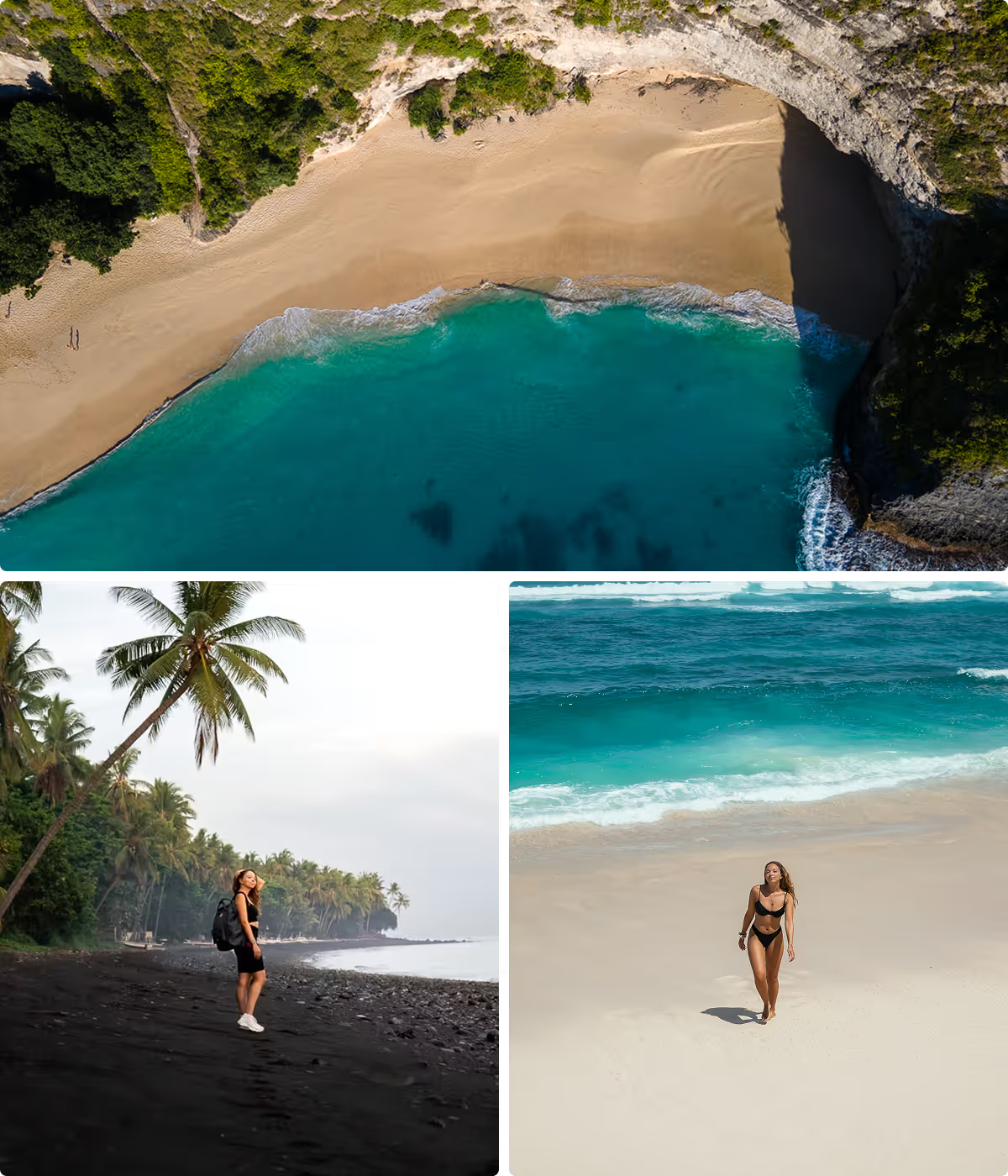
When people think about a tropical island, they usually picture paradise beaches everywhere… but honestly, Bali isn’t the best island in Indonesia for beaches.
Turquoise water? You’ll mostly find it around Uluwatu, in the far south. In many other parts of Bali, the sand is darker / brownish, and some beaches can sometimes get quite dirty depending on the season and beach maintenance.
That being said, there are still some beautiful volcanic beaches in the north of Bali that we personally love.
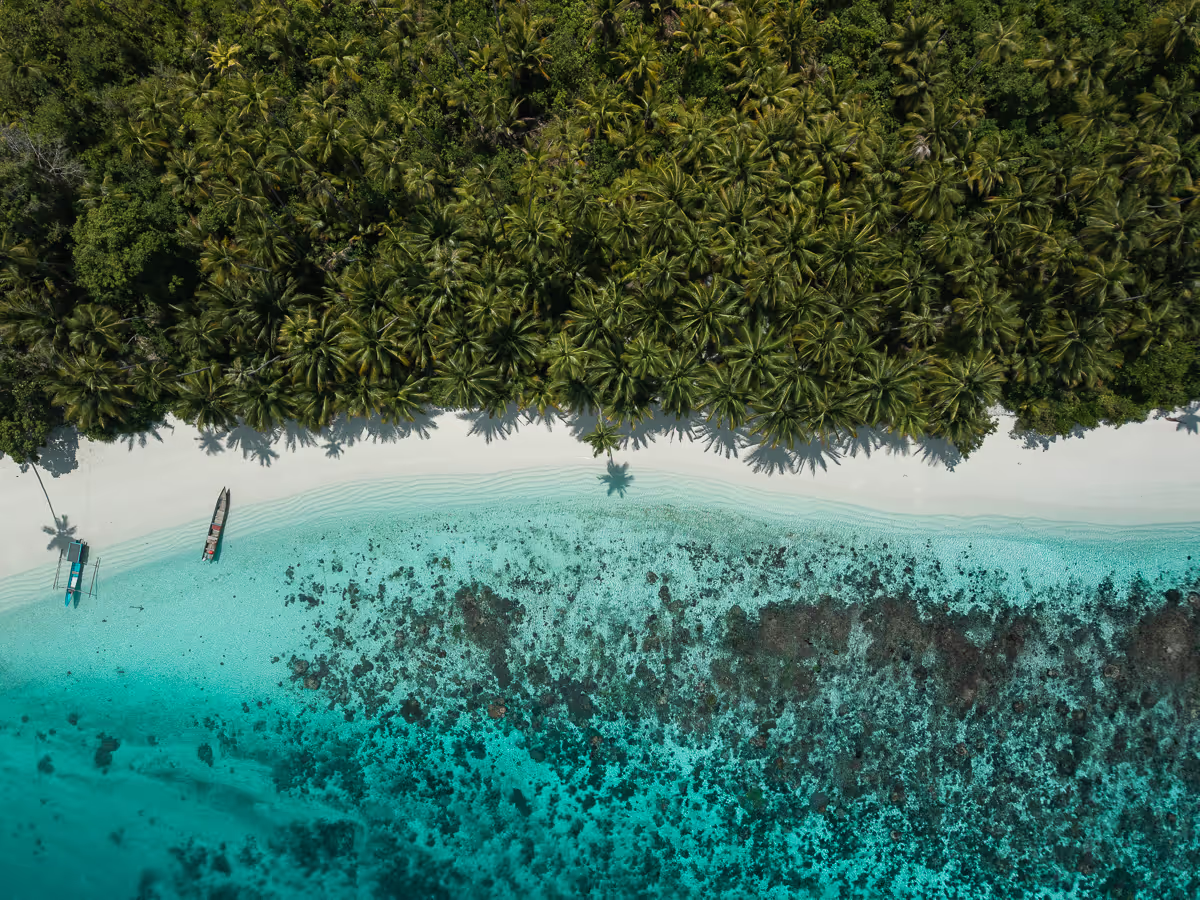
➡️ If your dream is white sand and crystal clear lagoons, we’d honestly recommend places like the Gili Islands, Lombok, or Nusa Penida instead.
Bali is more about the atmosphere, the landscapes, and the culture.
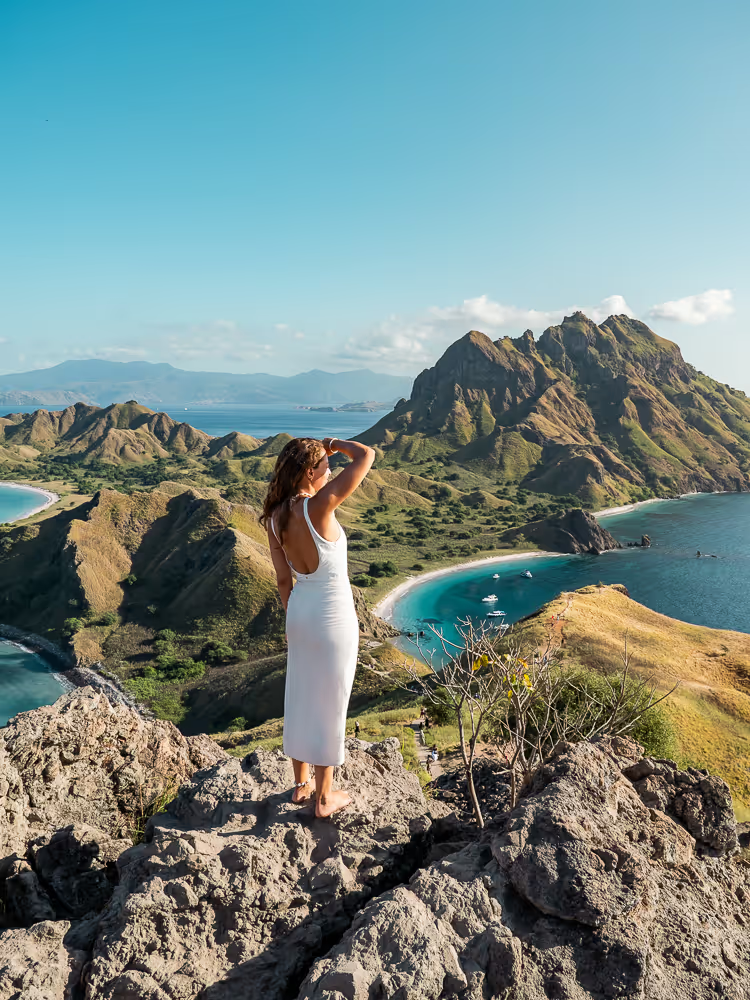
Landscapes: an incredible diversity on such a small island
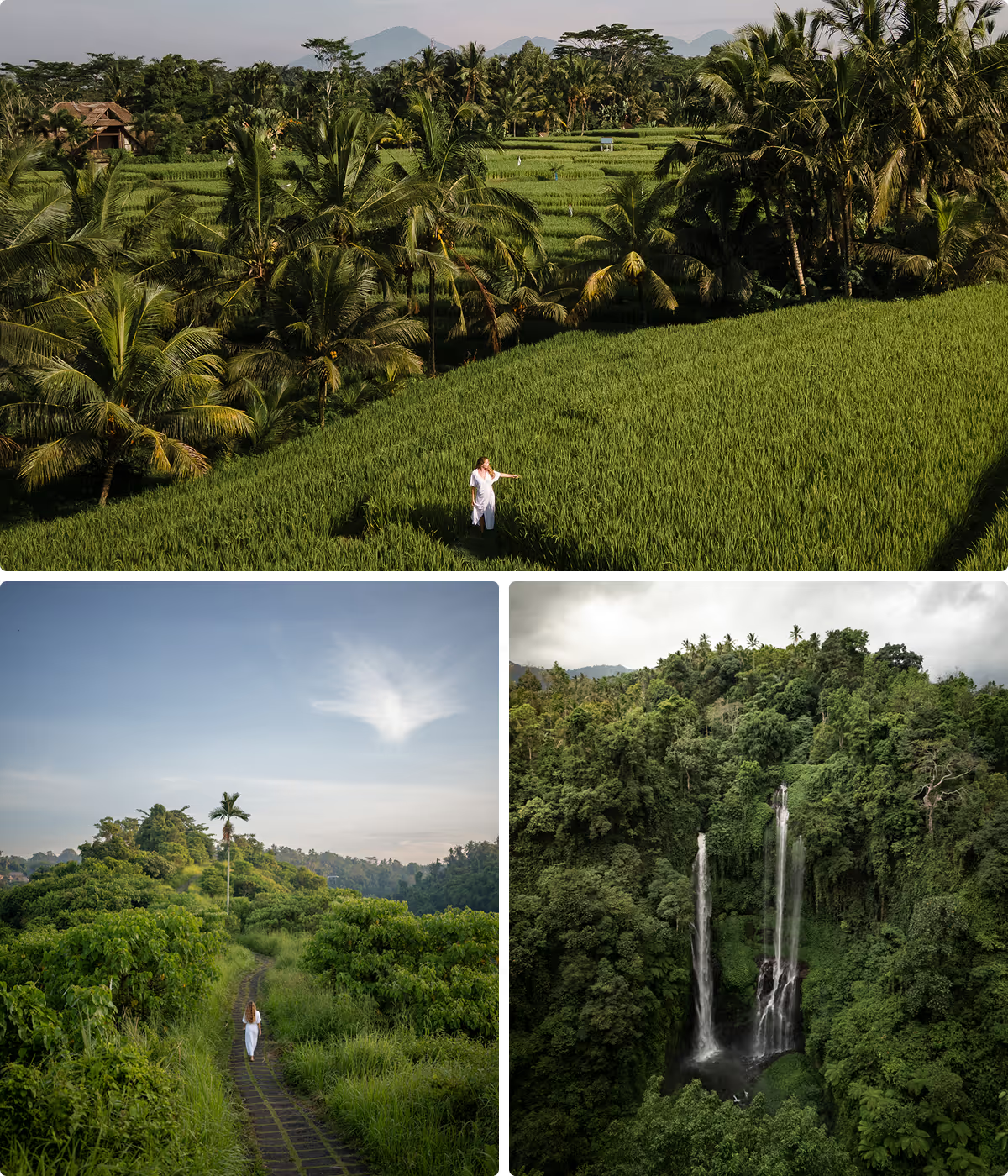
This is probably what we love most about Bali.
You can jump on a scooter with no real plan, and within minutes find yourself riding through rice terraces, small jungle roads, misty hills, or tiny villages surrounded by mountains.
What we love the most is that feeling of freedom. Stopping for a coffee with an insane view, chatting with locals in a small warung in the middle of nowhere, or randomly coming across a traditional ceremony during the day ✨
The south of Bali is much more developed and built up. It’s actually the part of the island we personally try to avoid the most, especially because of the traffic.
We much prefer the center, the north, and the east of Bali, where the landscapes feel greener, more mountainous, and still relatively peaceful.
And honestly, we’re not huge fans of the giant swings and overly staged photo spots made just for Instagram… but everyone travels differently 🤪
Culture: this is where Bali completely stole our hearts
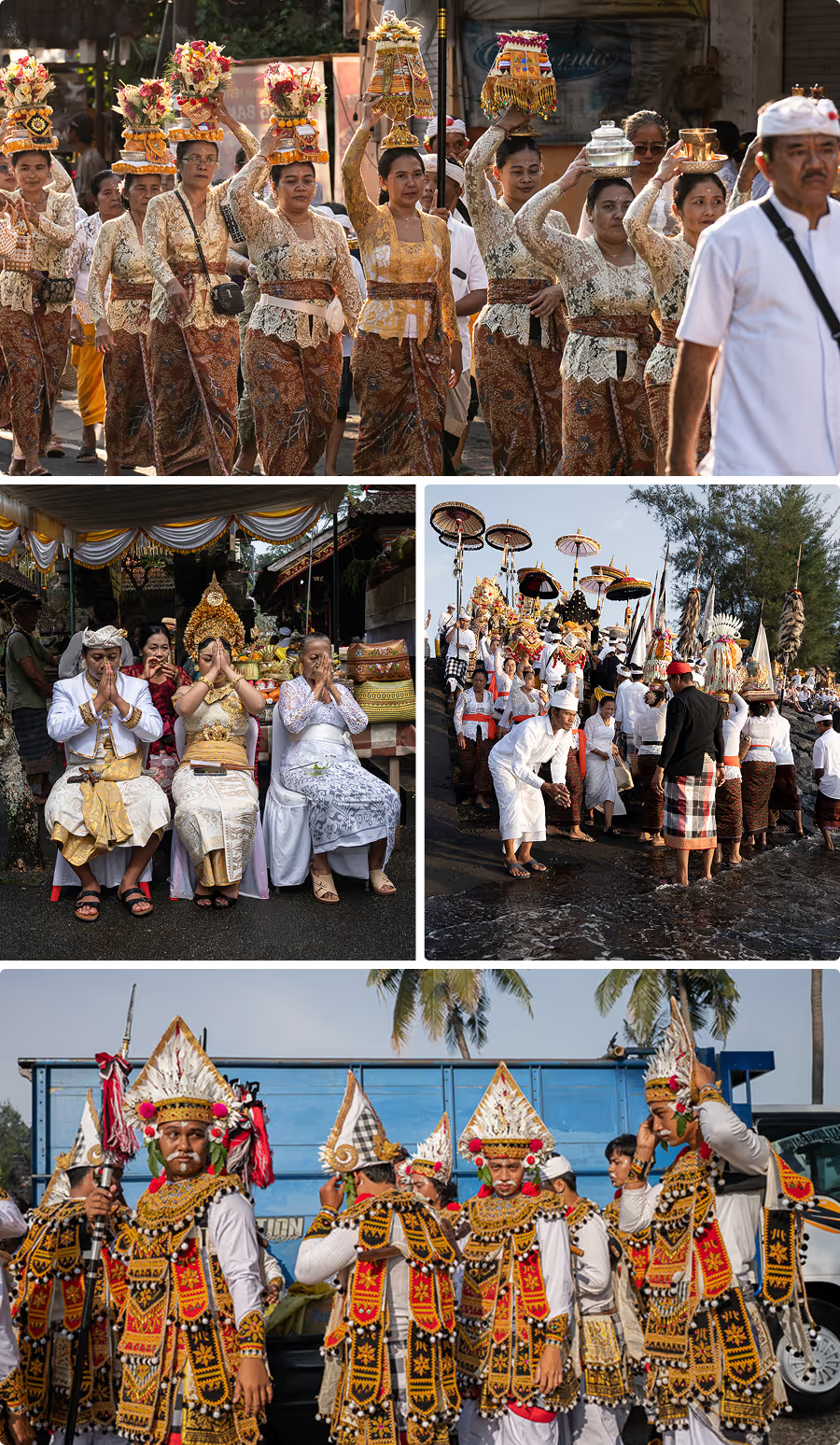
Unlike the rest of Indonesia, which is mostly Muslim, Bali is a Hindu island. And honestly, you can feel it everywhere in daily life. Despite the huge development of some touristy areas, religion is still incredibly present and deeply practiced today.
The island feels culturally alive all the time. Almost every day, you can randomly come across a ceremony in a street, near a temple, or in the middle of a village.
Some periods are even more intense and impressive than others, especially before Nyepi or during Galungan, when the ceremonies and gatherings become even bigger and more vibrant.
Balinese people are usually very open, and it’s quite easy to watch certain ceremonies or processions as long as you stay respectful. Don’t hesitate to ask locals if you can observe or take a look.
But it’s important to remember that these are sacred moments. Avoid being too intrusive, taking selfies everywhere, or treating ceremonies like tourist attractions. We’ve already seen people walking shirtless or taking completely disrespectful photos right in front of religious ceremonies… honestly, it feels really uncomfortable to watch.
Food: simple, good… but sometimes a bit repetitive
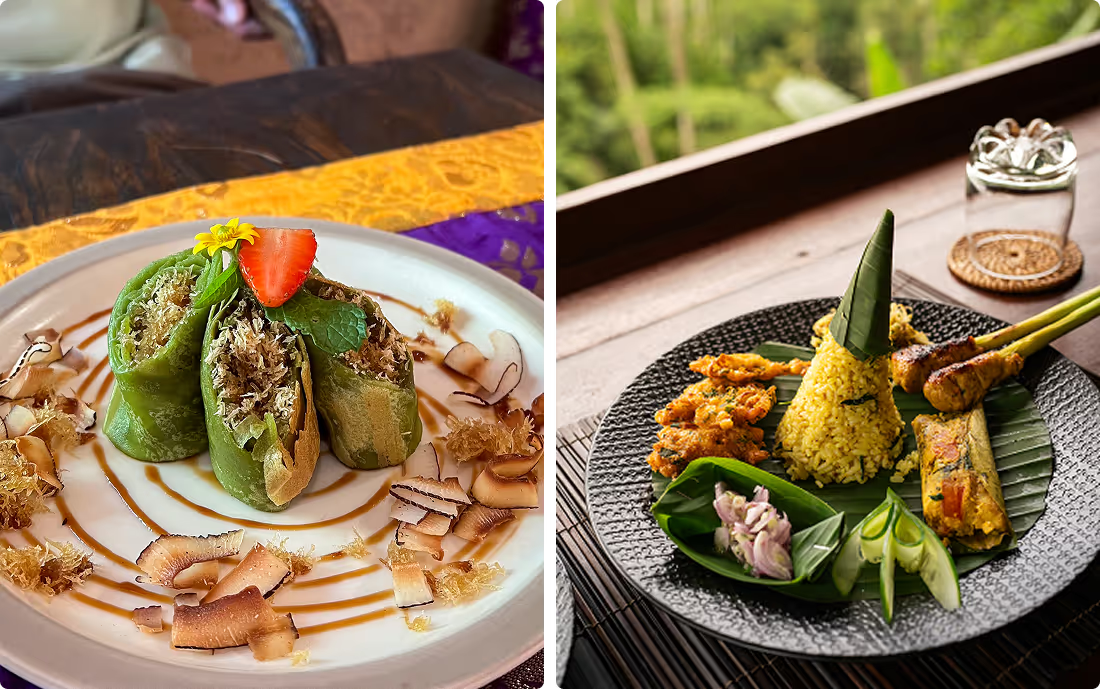
Balinese food is generally really good, but it often relies on the same base ingredients: rice, chicken, tempeh, eggs, vegetables, peanuts, and a lot of spices and sauces.
Some of the most famous dishes are Nasi Goreng, a fried rice dish served with different toppings, Mie Goreng, fried noodles that you’ll find pretty much everywhere, or Sate, grilled meat or veggie skewers served with peanut sauce.
And then there’s one of our personal sweet favorites: Dadar Gulung :
A small green pancake filled with coconut and palm sugar… honestly so good.
In more touristy areas like Canggu, Uluwatu, or Ubud, it’s a completely different food scene though. You’ll find literally everything: brunch cafés, burgers, sushi, vegan restaurants, smoothie bowls, French crêpes and even… raclette 😅
All our favorite food spots are shared inside our Bali Travel Guide
Activities: there’s something for everyone
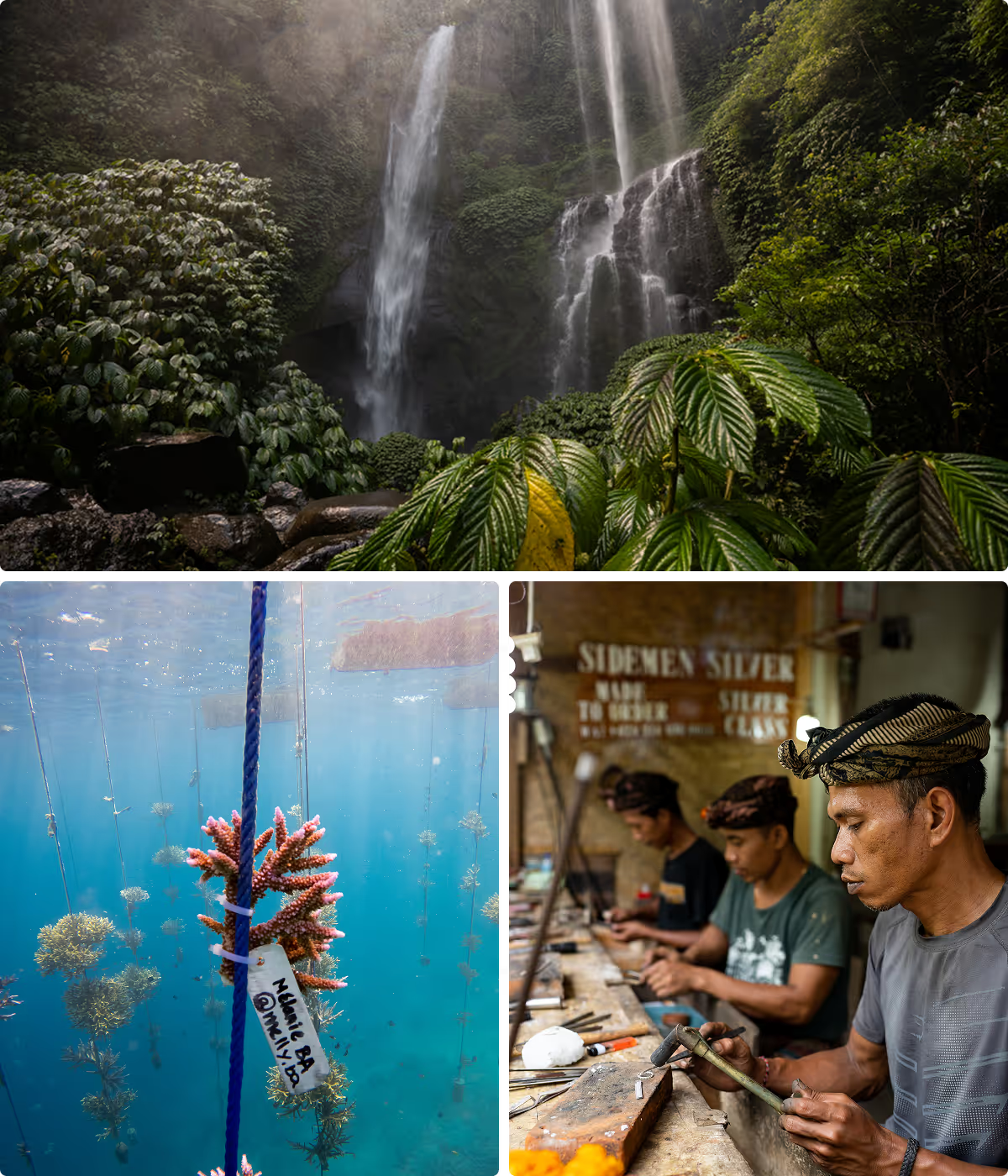
One thing we really love about Bali is that there’s always something to do, whether it’s raining or sunny outside.
You can relax in a spa, learn how to cook local dishes, spend a day with a local family to discover their daily life, go rafting through lush jungle canyons, or attend a traditional dance show or religious ceremony.
Whether you’re into relaxing, adventure, surfing, wellness, or cultural experiences, Bali always has something to offer.
Accommodation: an insane amount of choice
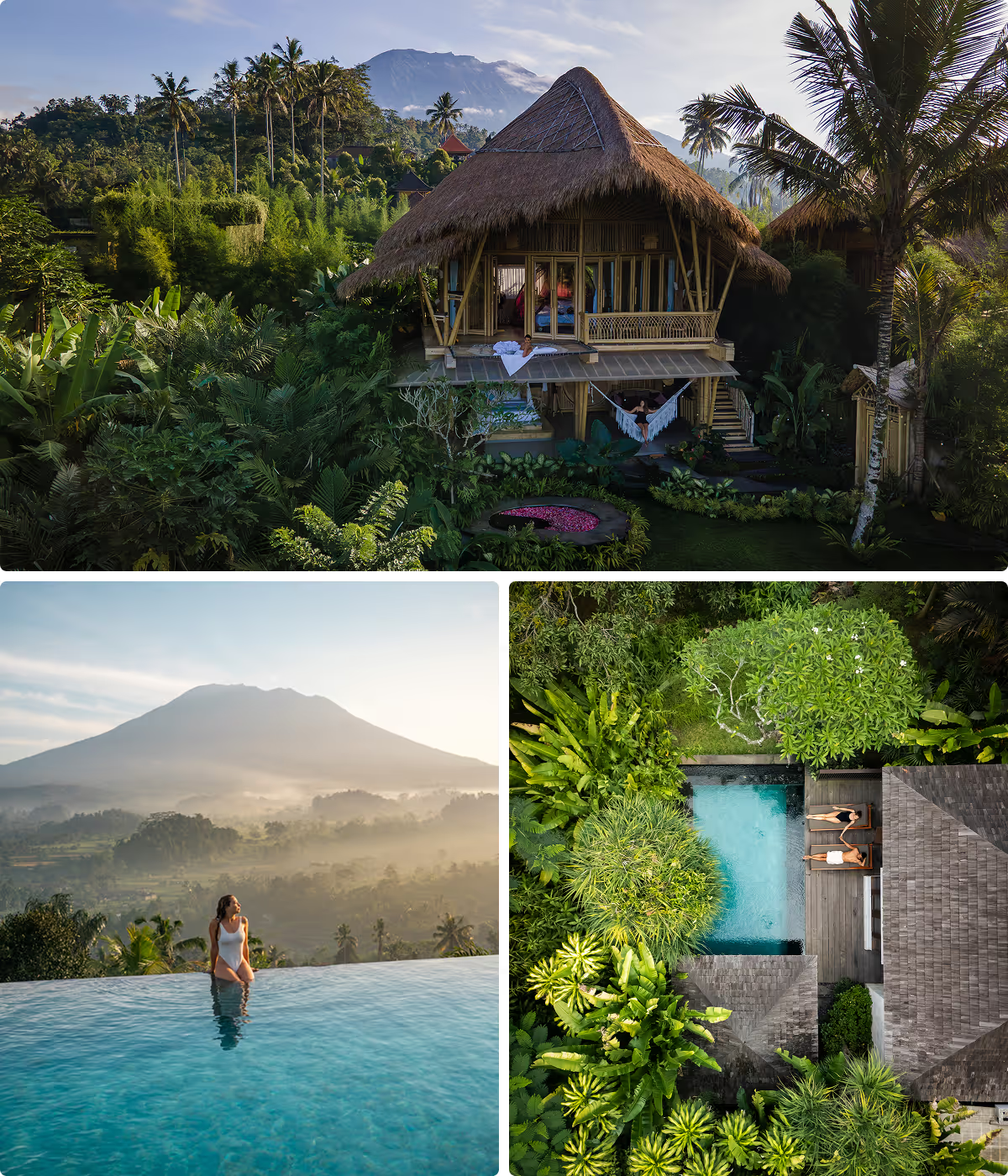
Bali has a huge range of accommodations. You can stay in a nice homestay for around €15 a night, or book a luxury villa or hotel for €400+.
Overall, the value for money is honestly excellent, especially compared to many other tropical destinations.
The only “problem” is that there are almost too many options 😅
Sometimes it becomes genuinely difficult to decide where to stay.
One thing to keep in mind though: Bali is a very humid island. Between the heat, humidity, and rainy season, accommodations tend to age quite quickly. Keeping a villa or hotel perfectly maintained requires constant maintenance, especially when a property stays empty for several weeks.
Balinese people: probably one of the main reasons so many people fall in love with Bali
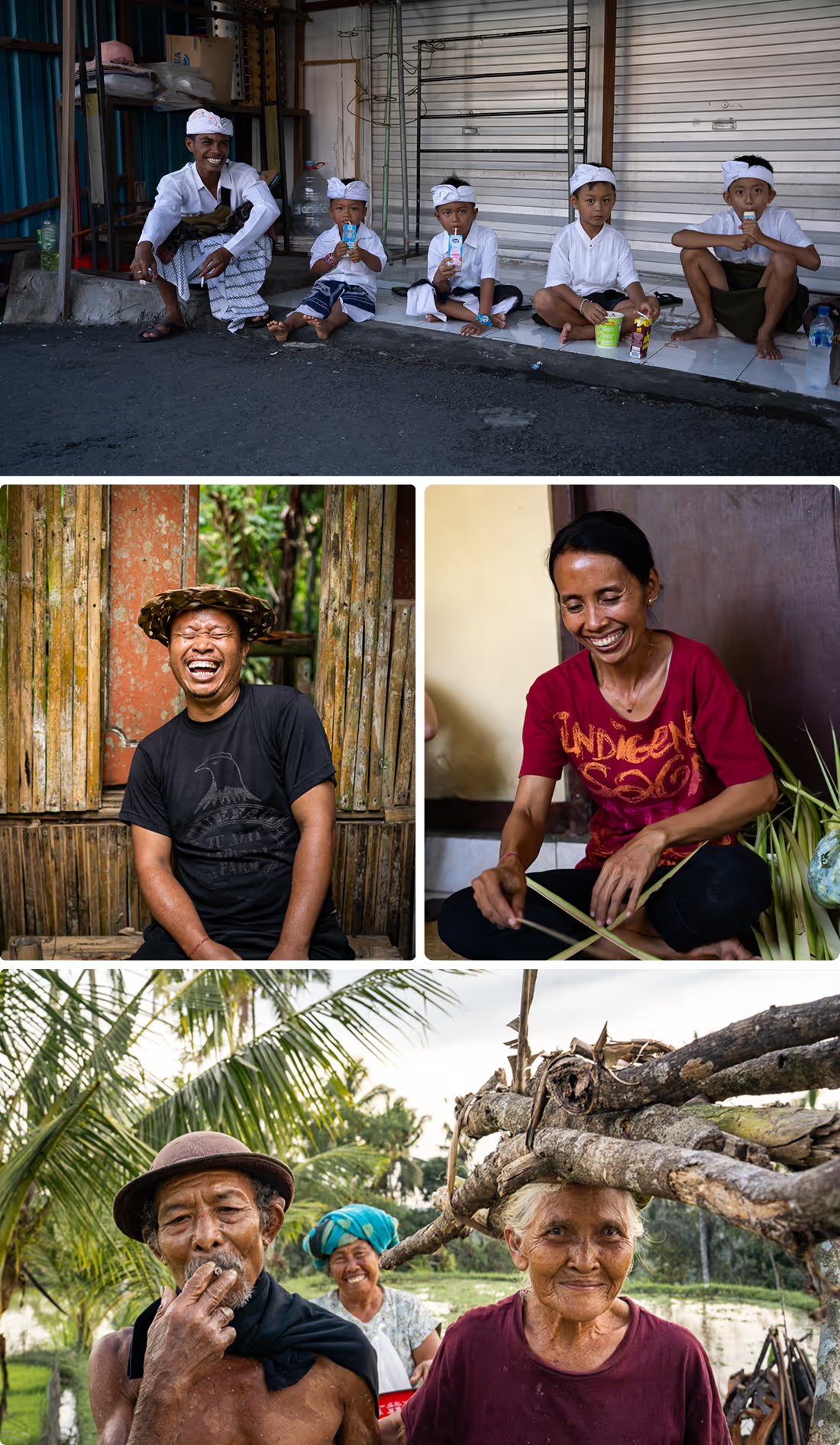
Honestly, Balinese people are among the kindest and most welcoming people we’ve ever met while traveling. People are usually smiling, incredibly warm, and always willing to help without expecting anything in return.
They also genuinely love sharing their culture and way of life. It’s very easy to connect with locals, even if you don’t speak perfect English or Indonesian. Most of the time, a simple smile is enough to start a conversation ✨
We also genuinely feel safe in Bali. Theft and serious scams are still relatively rare compared to many tourist destinations. Of course, like anywhere, you should still use common sense… but overall, the atmosphere feels very peaceful.
And yes, you can sometimes negotiate prices, especially in markets or with taxis, but it usually stays very reasonable. We’re often talking about a few euros, not huge price differences.
⚠️ What we like less about Bali (and what you should know)
Like every destination, Bali also has its downsides.
The most obvious one is definitely the traffic. In some areas, especially if you’re traveling by car, traffic jams can become exhausting. Canggu can honestly feel almost unlivable at the end of the day, and central Ubud gets very crowded too. Early mornings are usually fine, but after late morning, getting around can quickly become frustrating.
Yes, Bali is busy. But honestly, we often feel like social media exaggerates it a bit. It’s still far from the level of some ultra touristy areas in Thailand, Vietnam, or even Palawan during peak season.
And the good thing is that as soon as you leave the most famous areas like South Bali or central Ubud, there are still many peaceful places that feel preserved from mass tourism 🌿
If you have the chance to travel outside of July and August, the experience also feels completely different. Bali can become incredibly peaceful during certain periods.
Another downside though: plastic pollution. It’s unfortunately a real issue in many parts of Indonesia. Waste management infrastructures are still limited while both local and tourist consumption continue to grow.
During the rainy season, it becomes even more visible. Some beaches, rivers, or hiking trails can sometimes end up covered in plastic waste. It’s frustrating, especially when the surrounding landscapes are so beautiful 😕
Bali in 2026: yes, it’s still worth it… but not in just any way ✨
Bali is no longer a hidden gem. Some areas, especially in the south, have become very westernized over the years.
But the island still has preserved regions, living traditions, and one of the richest cultures we’ve experienced while traveling.
If you step a little outside the usual tourist spots and prepare your trip properly, you’ll discover a very different side of Bali. A version that feels much more authentic than what social media often shows.
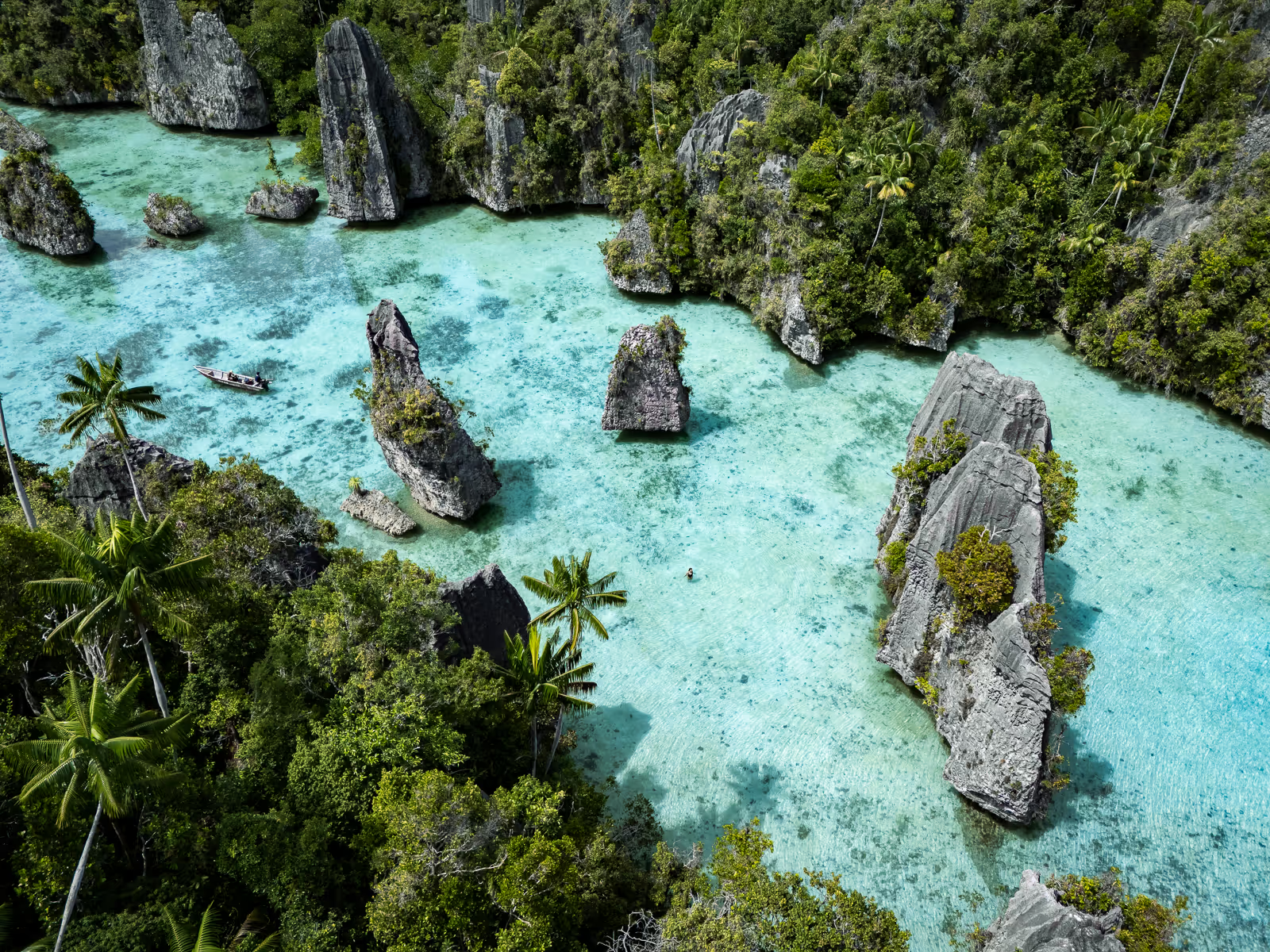
And if you want to explore beyond Bali, Indonesia is an archipelago of more than 17,000 islands, each with a completely different atmosphere.

Discover my Indonesia Pack
All our guides combined in a single ultra-complete resource: itineraries, maps, maps, tips and practical information to explore Bali, Raja Ampat, Sulawesi, Sumatra, Sumatra, Derawan, Derawan (Borneo) and Lombok.
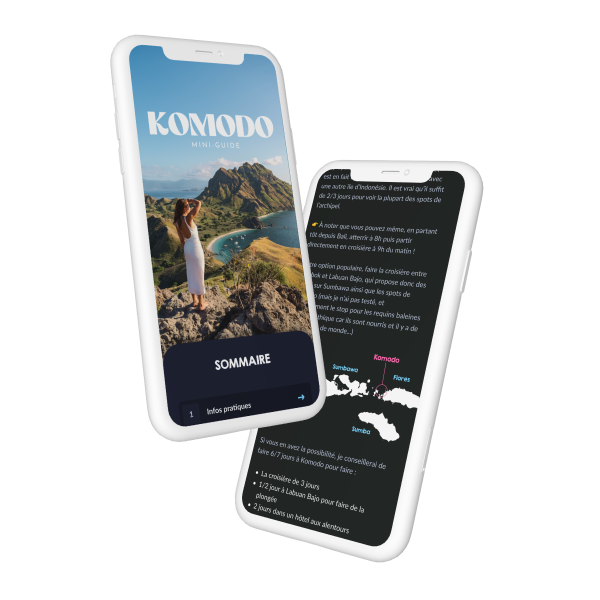
Discover my Komodo travel guide
Dragons, pink beaches, and island-hopping cruises: our boat recommendations, a detailed budget, and 20 Google Maps spots so you don't miss a thing.
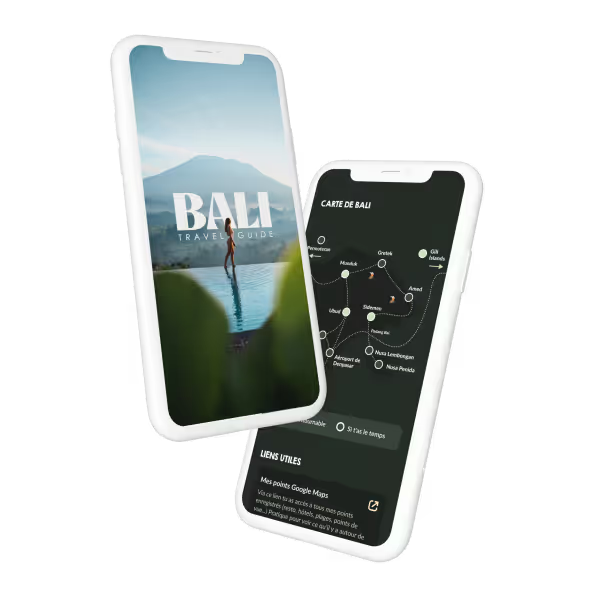
Discover my Bali travel guide
Recommended itineraries, good addresses, trusted contacts and less crowded spots: everything we’ve learned over 10 trips to Bali.

Discover my Sulawesi travel guide
Crazy diving, Toraja traditions, deserted beaches: everything you need to explore the most underrated island in Indonesia.

Discover my Raja Ampat travel guide
Dream spots, boat access, practical advice and tested addresses to discover this end of the world without stress.

Discover my Lombok travel guide
Volcanoes, waterfalls, empty beaches and lesser-known Gili islands: the perfect alternative to Bali, without the crowds.

Discover my Oman travel guide
Vast deserts, hidden beaches, turquoise wadis, remote mountains… all our itineraries to explore one of the Middle East’s best-kept secrets.
Discover my Philippines travel guide
Over 7,000 islands, incredible lagoons, deserted beaches… all our best itineraries and tips to explore one of the most beautiful archipelagos in the world without stress.
Discover my Sumatra travel guide
Tropical forests, wild orangutans and people with fascinating traditions
Découvre mon guide de Lençóis
Lagunes secrètes, treks et survol en avion : notre guide complet pour explorer ce désert unique au monde.
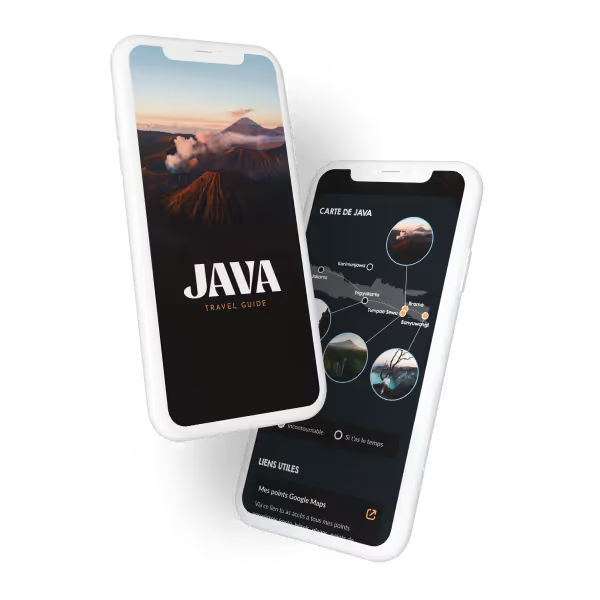
Discover my Java guide
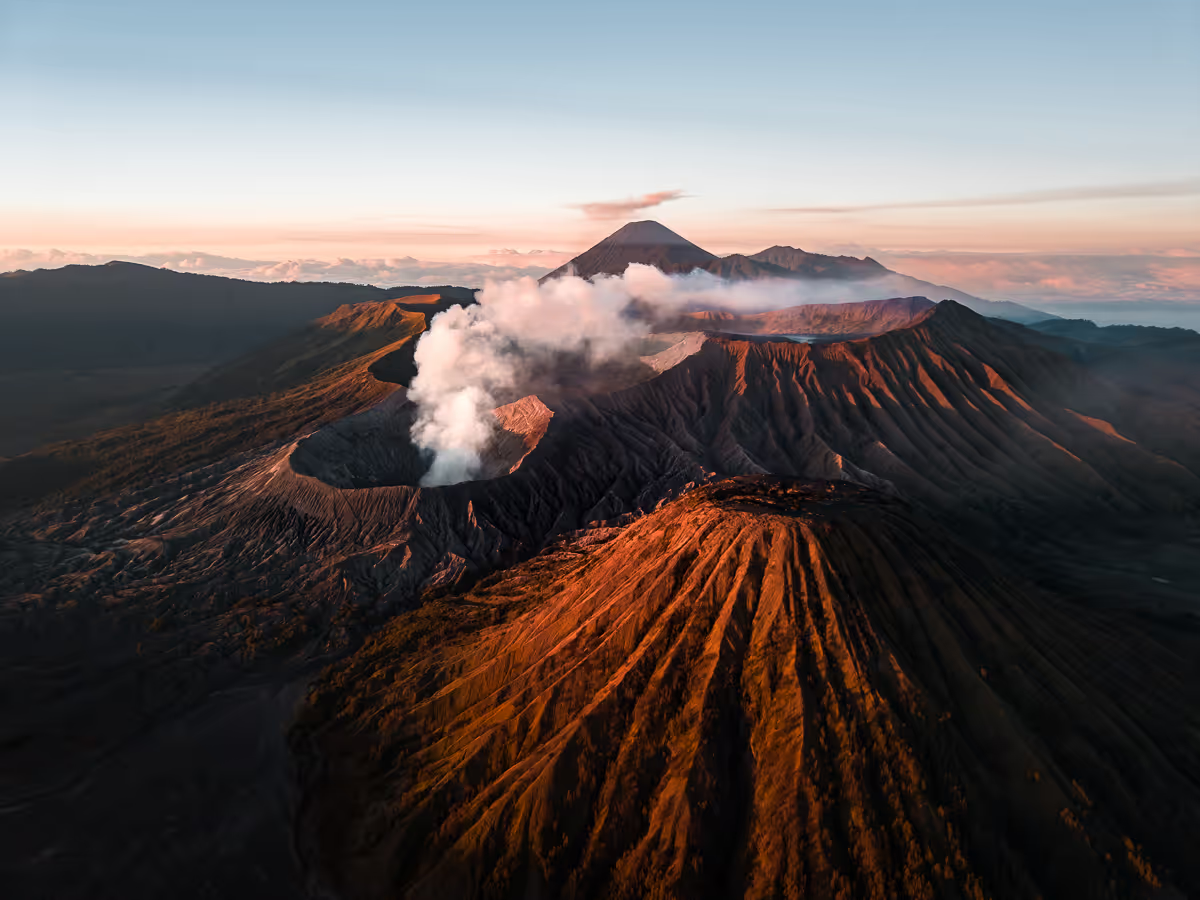
Impressive volcanoes, sacred temples and breathtaking landscapes